
What is held can be felt · what is felt can move · what moves can heal
I help bodies learn to move freely again and release what they hold, with movement, breath, hands-on work and what’s underneath.
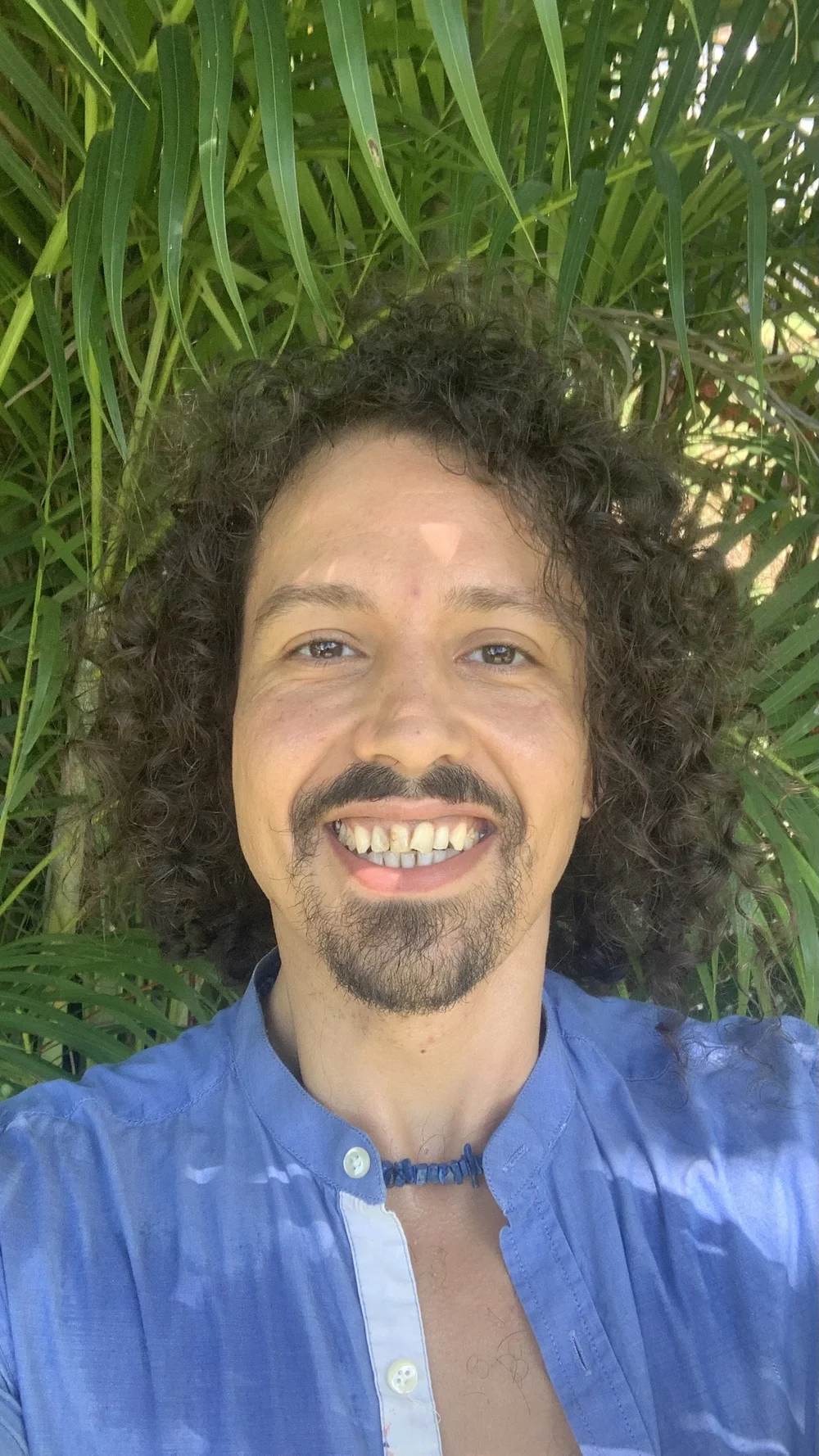
I have been combining wellbeing experience and studies with corporate work for 13 years: qigong, tai chi, Jungian psychology, bodywork and nutrition. In 2023 I left corporate life and made this my life’s work. I know the desk, the deadlines and the shoulders up by the ears from the inside. That’s where most of my clients start.
Finding your way back
I work with individuals experiencing chronic tension, stress, emotional overload, facial tension, or disconnection, as well as those seeking gentle, natural approaches to health and vitality.
The active ones
“It keeps coming back. Massage helps for a day.”
Hikers, surfers, runners. Stiffness and recurring aches that never quite leave. We find out why your body keeps guarding.
The athletes
“I want to stay in the game.”
Mobility, nerve glide and recovery: the work between training and the physio, alongside your team’s medical staff.
The ones holding on
“I can’t switch off.”
Tension isn’t only in the muscles. We work with body, breath and what’s underneath, through the Bodha Method.
Two approaches
Approach one
Coming from the mind and integrating the body.
Approach two
Coming from the body and integrating the mind and soul.
Five steps. Always in this order.
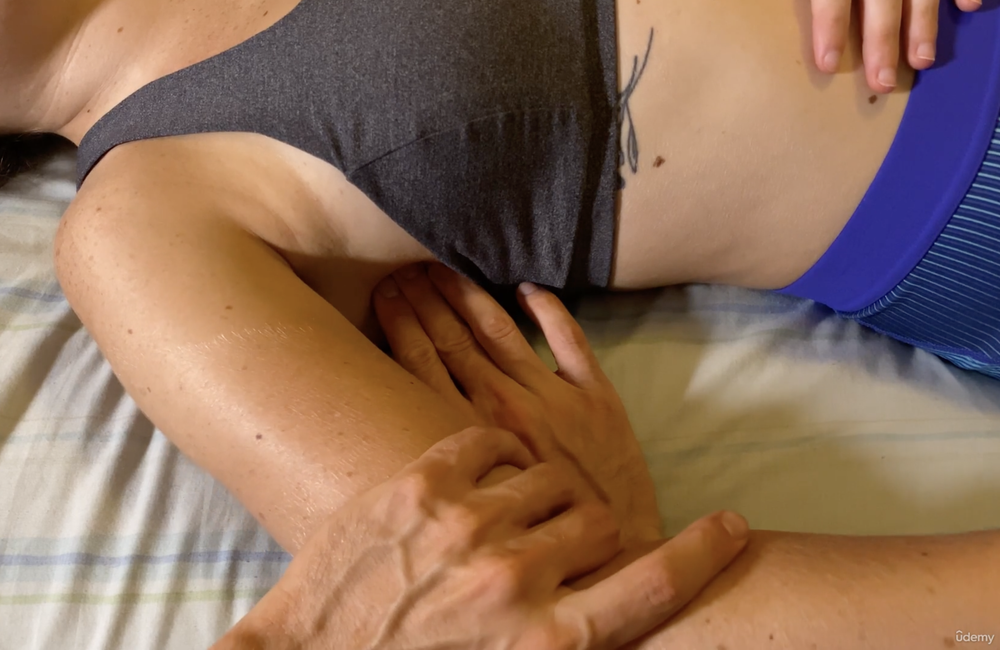
Hands-on work is one step, not the whole session. What makes the change last is what comes before and after it.
Assess
A movement assessment shows where you’re restricted, compensating or guarding.
Calm the system
Breath and qigong take your nervous system out of alert mode, so the body stops bracing.
Mobilise
Hands-on work and nerve mobility techniques bring back comfort and glide.
Rebuild
Corrective exercise so the change holds on the trail, the board or at your desk.
Sustain
Food, recovery habits and the stress patterns that keep you braced.
I work alongside your doctor and physio.
Every first session starts with a short health check. If anything needs a medical look first (recent injury, surgery, numbness or pain that won’t settle at night), I’ll tell you.
Values
Wholeness
Healing happens when all dimensions of a person are addressed together, not one at a time.
Honesty
I teach what I know and have lived. Nothing I offer is theoretical distance from experience.
Patience
Genuine change is not a sprint. The Bodha Method is designed for depth, not speed.
Respect
Your body knows things. My role is to help you hear it, not to override it with my agenda.
The Bodha Method
Nourish, Move, Breathe, Rest, Know.
Nourish
- Nutrition, phytotherapy and apitherapy. Food and recovery habits to sustain the change.
Move
- Movement assessment. SFMA and FMS show where you’re restricted, compensating or guarding.
- Corrective exercise (NASM) so the change holds on the trail, the board or at your desk.
- Nerve mobility. Clinical neurodynamics (NDS) brings back comfort and glide.
- Hands-on work. Acupressure, deep tissue and reflexology.
- Qigong & Tai Chi. Qigong in the Buqi Institute tradition since 2008. Weekly group classes at The Haven.
Breathe
- Breathwork. Breath takes your nervous system out of alert mode, so the body stops bracing.
Rest
- Sleep recovery. Progressive Muscle Relaxation, yoga nidra and circadian alignment for nervous system and sleep restoration.
- Reiki. Gentle hands-on energy healing supporting the body’s natural capacity to restore balance, release blockages and promote deep stillness.
Know
- Jungian depth psychology. Applied Jungian psychology (B.S.J.P.): shadow work, active imagination and dream analysis.
What Naga means
Naga is a Sanskrit word meaning “snake.” Across traditions, the snake is one of the oldest symbols of healing, transformation and rebirth, the creature that sheds its skin to emerge renewed, representing eternity and the continual renewal of life.
In Buddhist writings, the Naga refers to unseen beings associated with water and fluid energy. When Gautama Buddha began his meditation beneath the Bodhi tree, a great storm darkened the heavens for seven days. It was the serpent king Mucalinda who rose from beneath the earth, spreading his hood as a canopy of shelter until the storm had passed. When the skies cleared, the serpent king bowed before the Buddha, and returned in joy.
The name carries all of this: the courage to shed what no longer serves, the protection offered in difficult moments, and the quiet, continual possibility of becoming whole again. That is the spirit in which this practice is offered.
18 years of practice. Full-time since 2023.
Begin with a conversation
A free introductory call, no commitment, no pressure. We talk about where you are and what kind of support would help most.
In Boquete, Chiriquí, or online. Tell me what’s going on, and we’ll see where your body is guarding.